
COPPICING THE FUTURE
Coppicing The Future is an ongoing research project exploring how coppiced hazel - which is an excellent source of biodiversity and carbon sequestration - can be reimagined for contemporary applications.
It explores the history of this woodland management system, its role as part of the British landscape and its future potential for use in furniture, homewares and construction.
The project was completed as part of Marks' 2024 scholarship with Grown in Britain.

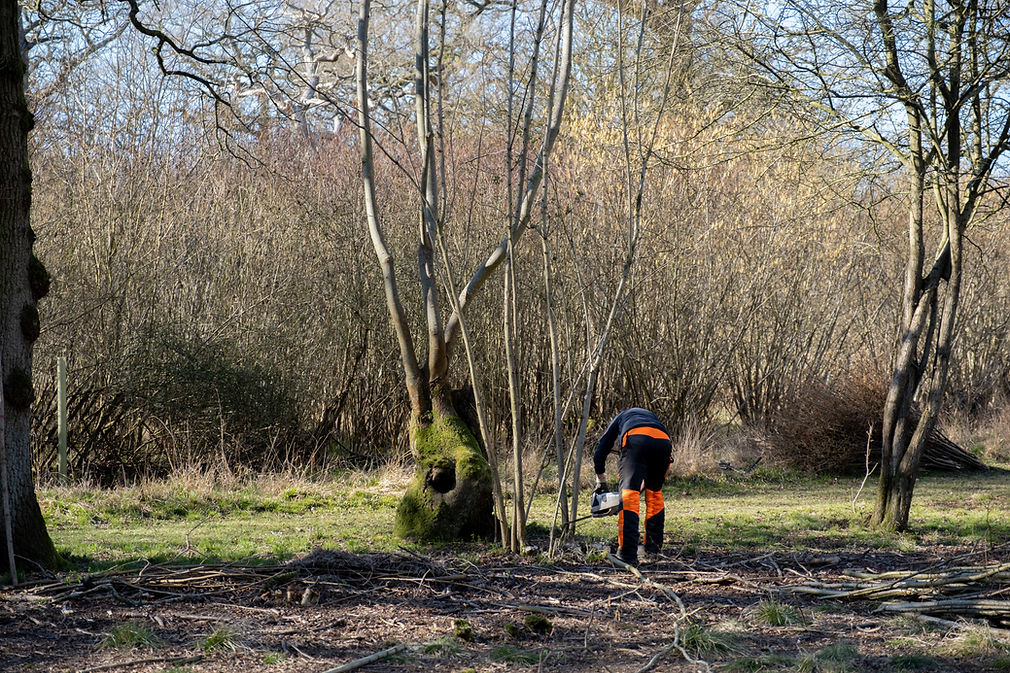
Coppicing is a woodland management system that has been practised in the UK until at least the Neolithic period. It involves cyclically cutting trees back to the ground. This allows light to flood the forest floor, supporting a diverse mix of fauna and flora, with the subsequent vigirious regrowth providing further habitats for insects, birds and small mammals, whilst also extending the life of the tree itself.


Coppicing produces long straight stems which have historically been used in rural crafts such as thatching, hurdle making, charcoal burning and the laying of hedgerows.
These have all suffered a rapid recent decline which has caused a massive reduction in the number of actively managed woodlands. Coppicing The Future believes that by finding new applications for this material we can begin to reverse this trend.
This begins with the Wattle Collection, which sees coppiced hazel being bent, woven and carved into a series of domestic furniture archetypes, revealing the rich variety of forms, tones and textures the material holds.
To explore the Wattle Collection please click the 'shop' button below or get in touch directly.


Interview with coppice workers Carolyn Church & Hugh Ross who have grown and harvested all of the materials used in the Wattle Collection in their woodland; Rawhaw Wood, Northamptonshire.


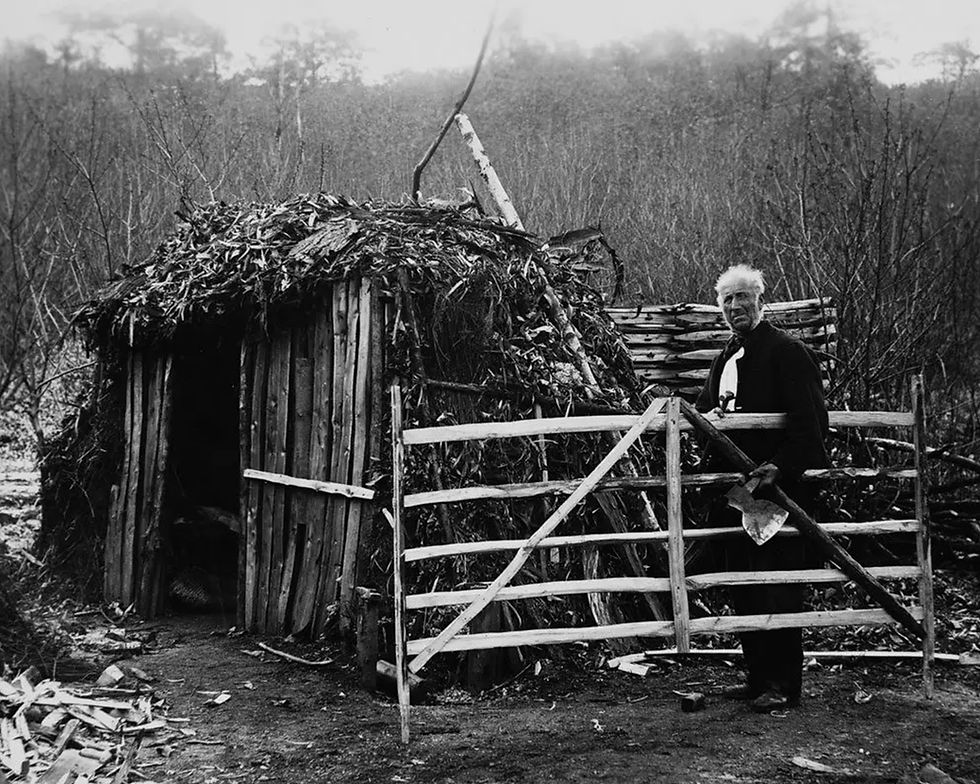

Examples of historic uses for coppiced materials.
Coppiced hazel cycle. (Photographs depict the stages of regrowth after <1, 1, 2, 4 and 8 years).